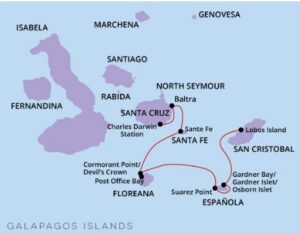
It’s quite humbling that thirteen scarred volcanic islands, scattered across 45,000 square kilometres of ocean, 960km adrift from the Ecuadorian Mainland and defying permanent human colonization until the twentieth century, should have been so instrumental in changing humanity’s perception of itself. Yet it was the forbidding Galápagos Islands – once feared as a bewitched and waterless hell, then the haunt of pirates, and later still an inhospitable pit stop for whaling ships – that spurred Charles Darwin to formulate his theory of evolution by natural selection, catapulting science into the modern era and colouring the values and attitudes of the Western world ever since.
The Galápagos archipelago is extraordinarily varied in terrain, featuring a range of habitats, from arid and dry to lush and green. As a result, bird and animal species have branched off into subspecies in order to adapt to natural conditions. The most well-known of these are the land and marine iguanas, the giant tortoises and the so-called Darwin’s Finches.
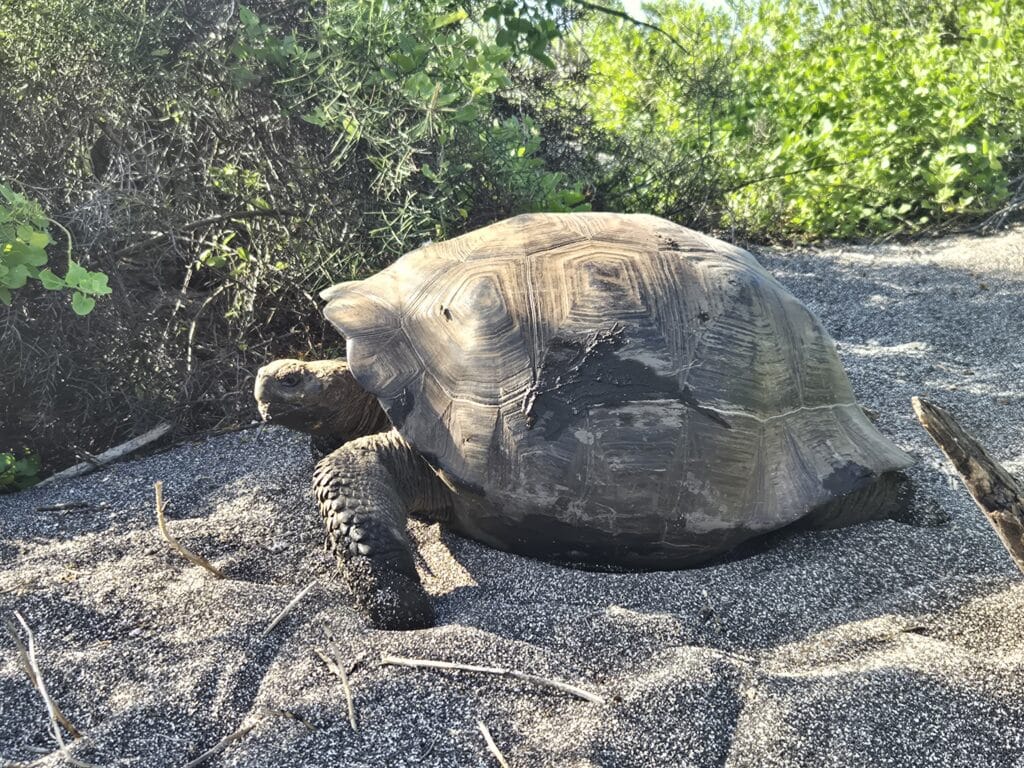
It was the Galápagos Giant Tortoise that gave the islands their name, and it continues to enchant nature lovers across the globe. Their leisurely existence – grazing, sunbathing and resting for 16 hours a day – belies a sad history of hunting, deforestation and near extinction. Fortunately, the Charles Darwin Foundation is working hard to protect all 12 species on the islands through research and breeding programmes.
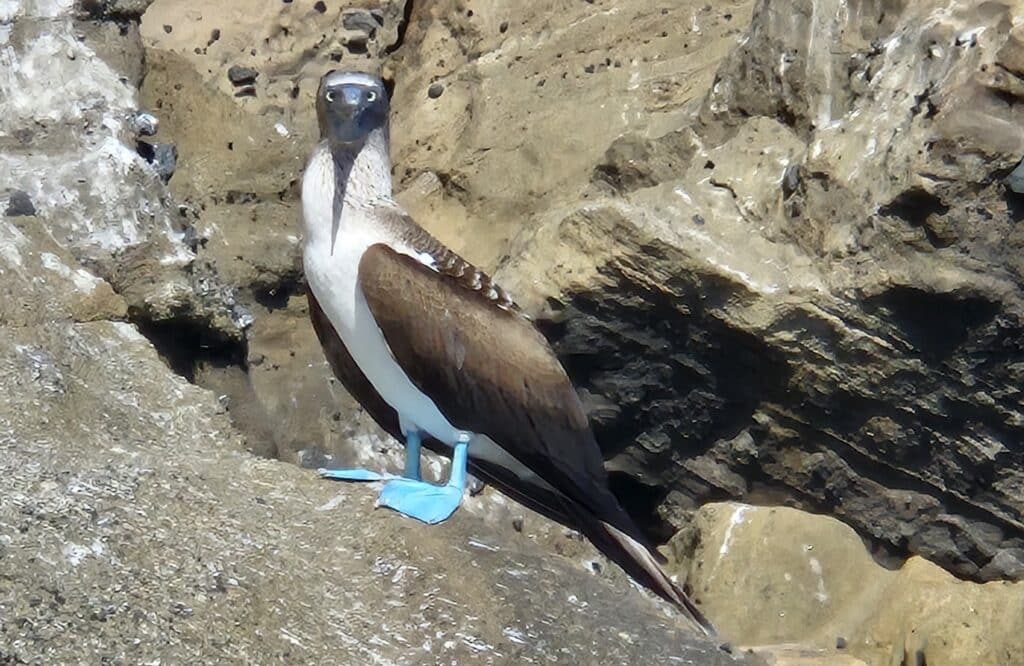
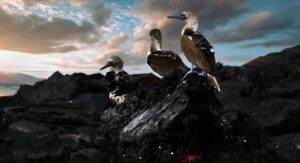
Notoriously lacking in caution but with plenty of charm, the Blue-footed Booby is a seabird largely associated with Galápagos. Its name originates from the Spanish word “bobo”, meaning foolish, and while their comical courtship dance and curiosity around humans may fit the bill, they are also extraordinarily graceful in flight, diving with pinpoint accuracy into schools of fish, and sometimes even catching them in mid-air.
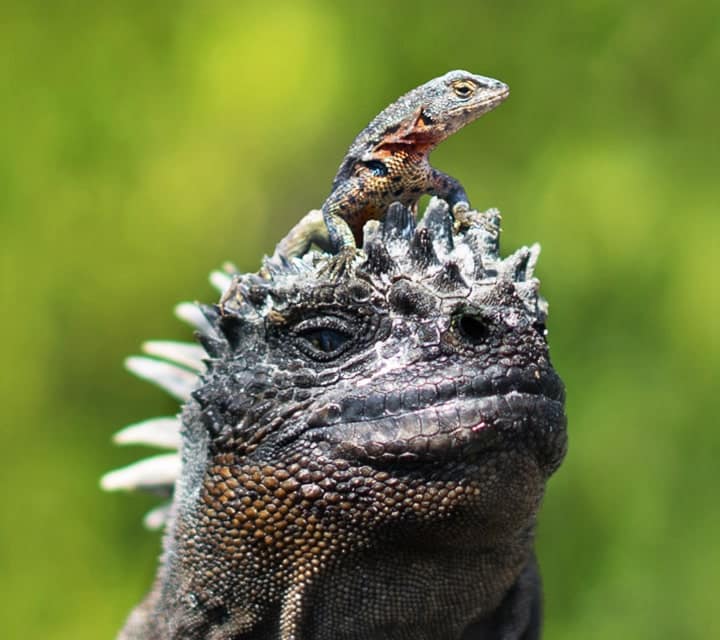
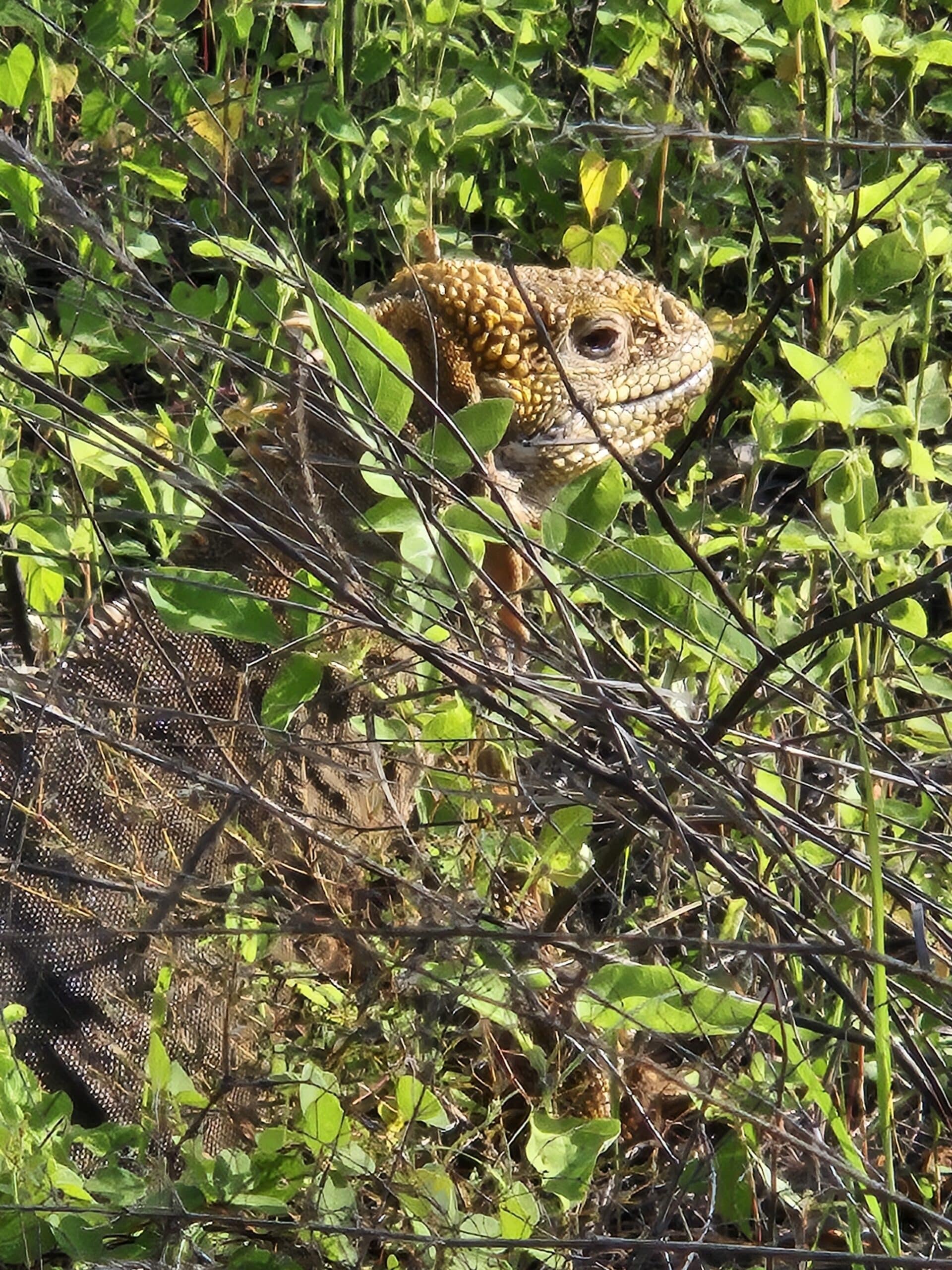
In the Galápagos Islands, you’ll have a chance to spot the only marine lizard species in the world, including the Española marine species – often dubbed the ‘Christmas iguana’, thanks to its beautiful red and green colours during the breeding season. Your guides will also help you track down the three-foot-long Galápagos Land Iguana and, if you’re lucky, you may even catch sight of the recently discovered Galápagos Pink Iguana.
The endemic Galápagos Penguin is the third smallest species of penguin in the world. They’ve adapted to their home in fascinating ways, from panting like a dog to cool down to having bare patches of skin to help radiate heat. You’ll often spot them holding their wings out and panting in the cool sea breeze, as well as hunting in pairs and squeezing into narrow crevasses and caves to hide from the sun.

With its sleek design and dark colour palette, the luxurious, newly built Galaxy Sirius catamaran is an excellent choice if you’re looking for an exceptional and exclusive experience in Galapagos Islands aboard arguably the best-looking vessel sailing the islands.
Named after the brightest star in the sky, it’s perhaps no surprise that it’s not just her exterior that dazzles. With a capacity of 16 passengers in nine cabins, you’ll receive personalized attention from her 12 crew members - including an experienced cruise director and two expert naturalist guides - and the ship’s luxurious amenities and facilities offer unparalleled comfort, making it an ideal base for your Galapagos Islands adventure.
The Galaxy Sirius catamaran boasts impressive facilities to ensure you have a comfortable and enjoyable stay. Each of the nine stunning staterooms on board ensure you have a perfect night’s rest with their plush paraphernalia, offering luxurious twin or king-size beds, ample balconies (just one cabin does not have a balcony), large windows, air-conditioning, ensuite facilities, and premium toiletries.
The principal deck has four cabins with balconies, an additional cabin without a balcony to the bow, the dining room, a coffee station, the living room, and the bar, plus some cozy outdoor seating to the rear. The upper deck features the bridge, behind which are four more cabins with balconies, and an alfresco area to the rear. Above it, the sun deck is the perfect location to relax and unwind with its wide solarium, Jacuzzi, and lazy chairs.
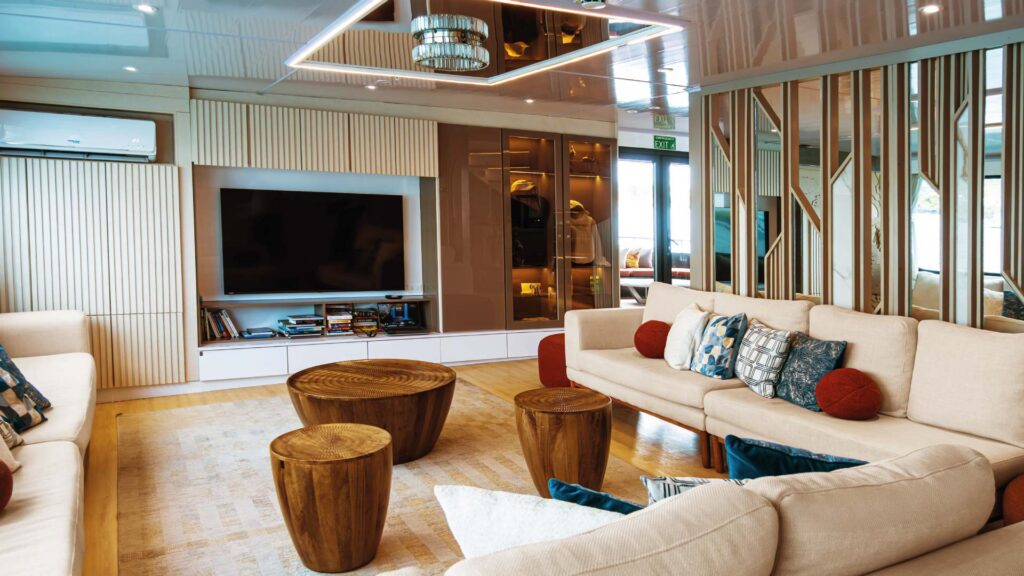
The elegant living room is perfect for relaxing and socializing with your fellow travellers, while the alfresco lounge provides a stunning location to immerse yourself in the beauty of the Galapagos Islands. Elsewhere the dining room offers an elegant atmosphere to savour the exceptional cuisine prepared by the expert chefs, and the sun deck provides the privileged position from which you can enjoy the cool sea breeze, stargaze, or soak up the sun as you take in the stunning panoramic views.
The Galaxy Sirius offers a culinary journey like no other, with gastronomic delights prepared by experienced chefs in the kitchen located on the lower deck and served in the dining room on the principal deck or in the alfresco lounge on the upper deck.
Sample Ecuador’s rich and exotic flavours, as well as other international delicacies, masterfully crafted to tantalize your taste buds. The world-class cuisine features everything from exotic seafood to sumptuous meats and decadent desserts, each dish meticulously crafted to exceed your every expectation.
Elevating your onboard experience further, the ship’s handpicked selection of drinks will suit every taste and preference, with the talented bartenders crafting the perfect drink for you. Should you need to quench your thirst further, there is also unlimited purified water, tea, and coffee available on board.
The Galaxy Sirius catamaran offers an array of activities to explore the mesmerizing underwater world of the Galapagos Islands, including snorkelling, kayaking, and paddle-boarding. Additionally, thrilling panga rides allow you to discover the diverse shorelines and marine environs without getting so wet, and hiking excursions offer an exhilarating exploration experience, crossing scenic trails by foot while keeping a keen eye on the lookout for the archipelago’s breathtaking flora and fauna.
Every step of the way, your expert naturalist guides will be on hand to impart their knowledge and take you to the best spots to safely observe the islands’ unique wildlife, ensuring an unforgettable experience.
The Galapagos Islands are home to some of the planet’s most breathtaking biodiversity, and you’ll have the opportunity to see magnificent creatures like marine iguanas, giant tortoises, and blue-footed boobies. You can witness their wonderful wildlife up close and explore their enchanted shores.
The sleek Galaxy Sirius catamaran offers an exceptional and exclusive experience in the Galapagos Islands aboard one of the most stylish vessels around. With luxurious amenities and facilities, expert guides, and world-class cuisine, you’re sure to have an unforgettable adventure.
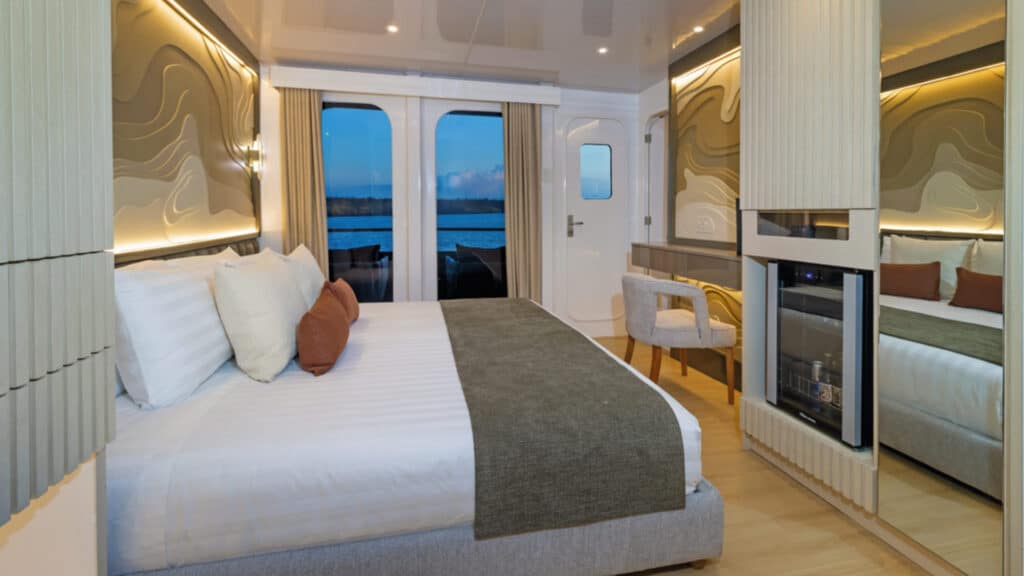
A total of 9 cabins
Size: 19.50/25 m² - 64/82 ft²
Beds: King and Twin
Spacious double staterooms with ample balconies are designed to offer an elegant and comfortable accommodation experience, with a luxurious king-size bed, large windows providing breathtaking views of the Galapagos Islands, and a private bathroom with premium toiletries.
Sleek ship offering luxurious Galapagos adventures
State-of-the-art technology and amenities
Impeccable attention to detail in design and decor
Unmatched luxury and comfort for a truly indulgent experience
Exquisite cuisine prepared by expert chefs
Balcony ensuite cabins
Wide range of activities including kayaking and paddle-boarding
Small groups of 8 people, as there are 2 Naturalist Guides on board
Year Built: 2023
Type: Motor Catamaran
Category: First Class
Length: 37 metres
Width: 13 metres
Crew: 8 crew members + Cruise Director + 2 Bilingual Guides
Capacity: 16 passengers
Speed: 12 knots
Arrive Quito
Depart Australia/New Zealand from your Capital City. Please contact me for a flight schedule and costs.
Arrive in Quito, clear customs and immigration prior to meeting your guide and transfer to your hotel, located in the Historical Centre. Due to your long flight, the remainder of the day and evening is at your leisure.
Overnight: Hotel Plaza Grande, Quito
Buffet breakfast served in the hotel restaurant.
Morning – guided sightseeing tour of Quito and the Equator
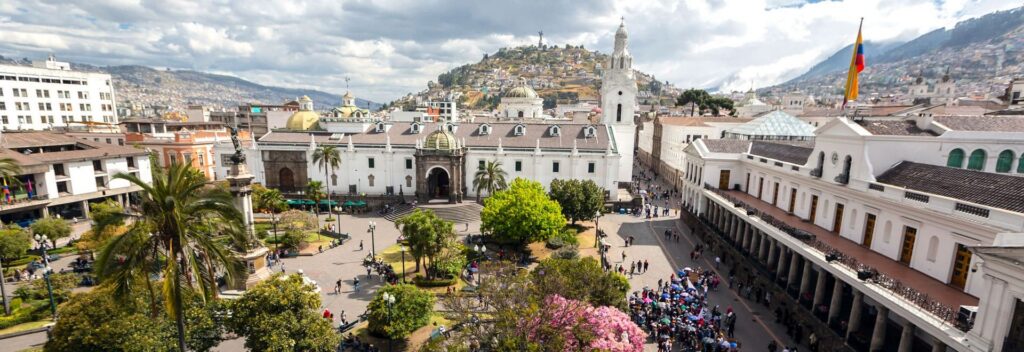
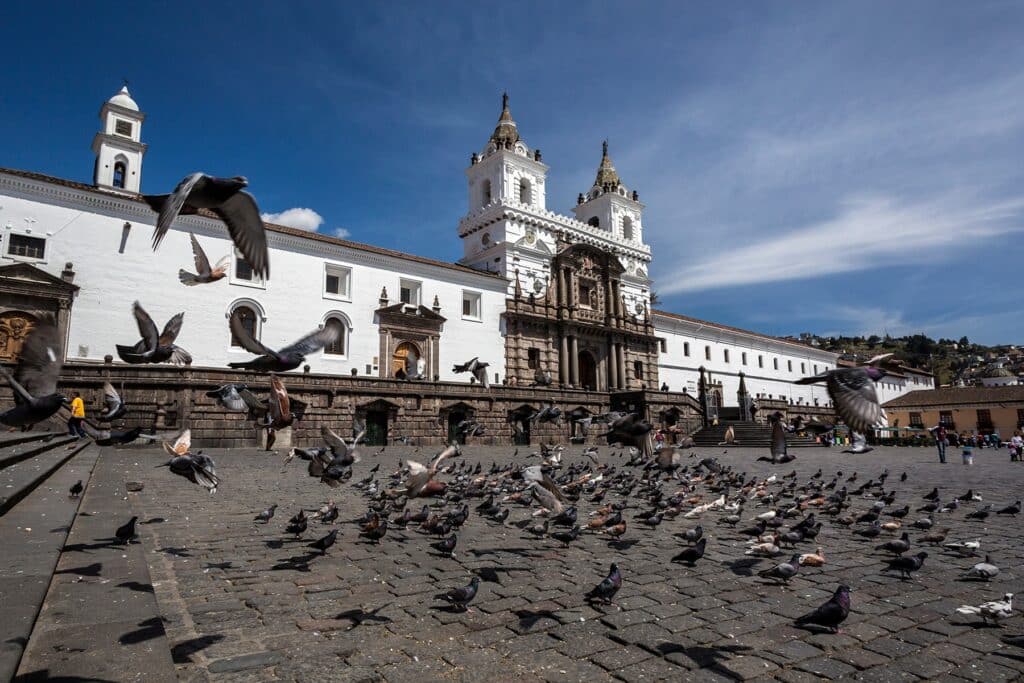
Quito is home to one of the largest and best-preserved colonial centres in South America. Visit highlights such as Independence Square or "Plaza Grande," the iconic Church of the Society of Jesus (considered one of the most beautiful in South America), the Church and Monastery of San Francisco, and the Virgin of Panecillo (which dominates the entire city).
As a unique experience, we also stop at an artisanal chocolate shop, where we will learn more about Ecuadorian Fine Aroma Cacao and the chocolate-making process.
The Middle of the World is located approximately 30 km north of Quito, where you can observe the equator that divides the northern and southern hemispheres. Visit the famous main monument, as well as the Intiñan Museum, which showcases the real equator and its phenomena.
Continue to lunch at a local restaurant prior to return to the hotel with the remainder of the afternoon at leisure.
Evening – at leisure
This evening is at your leisure…we may enjoy dinner together at Nuema restaurant.
Nuema is a highly acclaimed restaurant that has won numerous awards and accolades for its innovative cuisine and exceptional dining experience. The restaurant’s menu features a fusion of Ecuadorian and international cuisine, crafted with the freshest ingredients and unique culinary techniques.
Nuema’s commitment to sustainability and ethical sourcing has earned it recognition from organizations such as the Sustainable Restaurant Association and the World Wildlife Fund. Nuema has been recognized as one of the best restaurants in South America by various publications, including the prestigious Latin America’s 50 Best Restaurants list. The restaurant’s talented chefs, expert sommeliers, and attentive staff ensure that every dining experience at Nuema is a memorable one.
Overnight: Hotel Plaza Grande, Quito
Buffet breakfast served in the hotel restaurant.
Morning – Quito to San Cristobal…Galapagos
Check-out after breakfast and short transfer to Quito Airport for your flight to San Cristobal (Galapagos) via Guayaquil.
Arriving at San Cristobal Airport, proceed with customs and immigration requirements. Upon exiting the airport, meet your driver for your short transfer to your hotel.
Evening – dinner at leisure
This evening…dinner is at your leisure…
Overnight: Hotel Indigo, Galapagos (San Cristobal Island)

Buffet breakfast to be served at your hotel.
Morning – Galaxy Sirius
Check-out after breakfast this morning. Meet your driver for the short transfer to San Cristobal Pier where your vessel is awaiting you. Board the Galaxy Sirius and settle in.
Unfurl the sails of adventure and embark on an unforgettable journey through the Galapagos Islands. Your seasoned naturalist guide, the custodian of this ecological gem, will greet you. Feel the flutter of anticipation as your exploration of this astonishing world heritage site commences.
Afternoon – Lobos Island
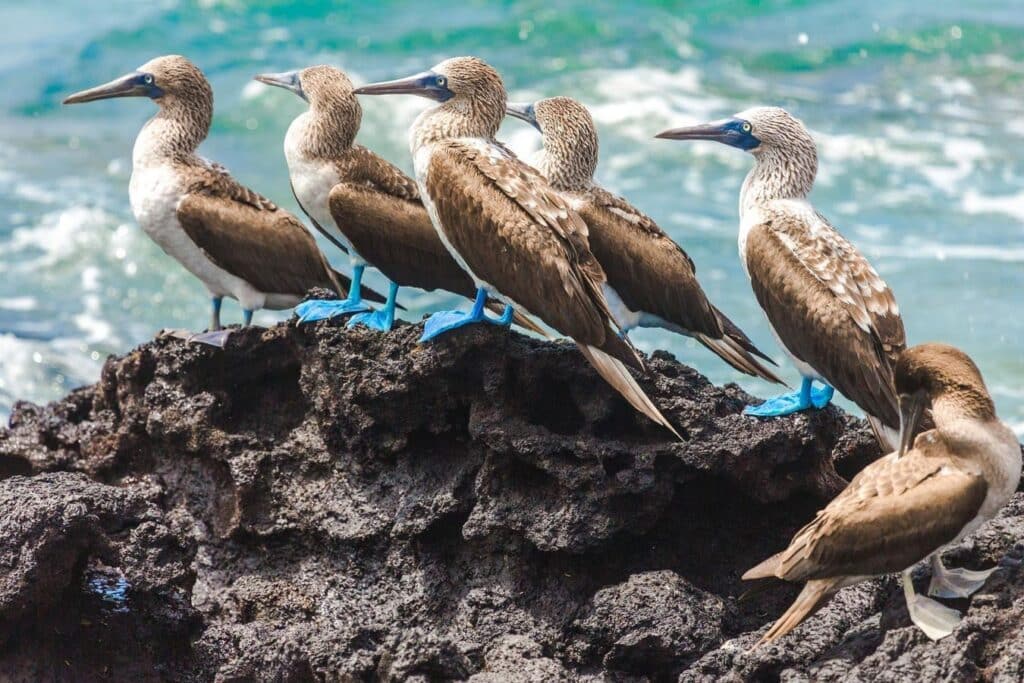
Highlights: Galapagos sea lions, marine Iguanas, magnificent and great frigatebirds, blue-footed Boobies, and San Cristobal Lava Lizards.
Dry landing
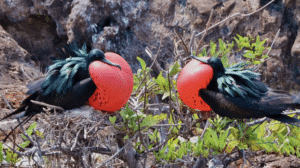
Venture to Lobos Island, a tranquil islet secluded from San Cristobal by a slim channel. This nature's cradle, amidst a serene bay, is the playground for sea lion pups frolicking in tidal pools. The island might be modest in size, but it bursts with life, particularly with "lobos marinos" or sea lions. As you step ashore, welcoming committees of sea lions would greet you, only to be outraged by the male frigatebirds inland, presenting their inflamed red balloons amidst the verdant foliage. Stay vigilant for the blue-footed boobies nesting on the trails, ready to treat you to a display of their whimsical courtship dance.
Evening – dinner aboard your cruise vessel
This evening…enjoy a Welcome Dinner aboard the Galaxy Sirius
Overnight: Aboard Galaxy Sirius, Galapagos
Buffet breakfast to be served aboard.
Morning – Gardner Bay…Espanola Island
Highlights: Coral sand beach, sea lions, Galapagos hawks, Española mockingbirds, Darwin finches, marine iguanas.
Wet landing
Embrace the morning at Gardner Bay, a pristine piece of paradise in the Galapagos archipelago. Sugar-white coral sands merge with crystal-clear turquoise waters, creating a tropical oasis. Watch as the beach becomes a theatre, starring sun-basking sea lions in a playful performance. This idyllic setting invites you to stroll along the coast, immersing yourself in an enlightening experience as you delve into the biology of the endemic fauna - from the melodious Española mockingbird and the unique marine iguanas to the regal Galapagos hawks.
Snorkelling Experience: Submerge beneath the azure waves to witness a spectacular performance choreographed by marine life. Swim alongside playful sea lions, graceful reef sharks, and gliding rays. Discover an array of fish, including vivid Angelfish, charismatic Parrotfish, dynamic Damselfish, and the ever-busy Surgeonfish colouring the underwater landscape.
Afternoon – Suarez Point…Espanola Island
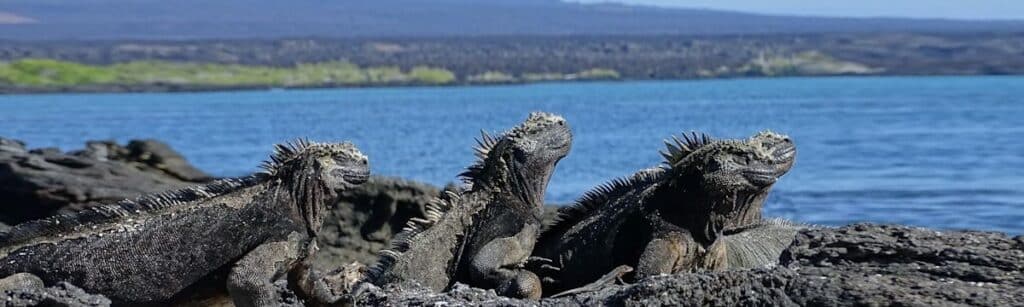
Highlights: Sea lions, Waved Albatross, Galapagos hawks, Española mockingbirds, Darwin finches, marine iguanas, Nazca & Blue-footed Boobies, Red-billed Tropicbirds, Swallow-tailed gulls, herons, lava lizards, herons.
Dry landing
Transition into the afternoon with a thrilling adventure to Suarez Point. This rocky trail presents a natural gallery of the Galapagos islands, brimming with an awe-inspiring array of fauna. Upon landing, you'll be greeted by sea lions and marine iguanas, your first hosts in this nature carnival. As you venture further, you'll encounter a mosaic of seabird colonies - from the striking Nazca and blue-footed boobies to the elegant gulls and tropicbirds.
Evening – dinner aboard your cruise vessel
This evening…enjoy a Welcome Dinner aboard the Galaxy Sirius
Overnight: Aboard Galaxy Sirius, Galapagos
Buffet breakfast to be served aboard.
Morning – Post Office Bay…Floreana Island
Highlights: Sea Lions, sea turtles, finches, shorebirds, marine iguanas, and penguins.
Wet landing
Begin your day by stepping into the footprints of the past at Post Office Bay, located on the enigmatic Floreana Island. This locale is imbued with tales from the late 1920s and '30s involving German settlers, a baroness, unsolved mysteries, and captivating intrigue. The bay was a historic anchoring point for whalers, who journeyed to the highlands for freshwater and tortoises. A mail system over two centuries old was established as a hub for visiting vessels centred around a barrel near the beach.
This system endures today, offering a unique opportunity to send postcards from this remote part of the world. Apart from its rich history, Post Office Bay presents natural attractions such as a scenic beach, a lava tunnel, and sea tours that can unveil sea lions, green sea turtles, shorebirds, small sharks, and, if luck permits, Galapagos penguins.
Snorkelling Experience: Delve beneath the waves right from the beach, opening up a mesmerizing world of sea turtles, rays, and a diverse plethora of fish. Keep your fingers crossed for a special appearance by the elusive Galapagos penguin.
Afternoon – Cormorant Point and Devil’s Crown…Floreana Island
Highlights: American flamingo, blue-footed booby, frigatebirds, tropicbirds, Galapagos shearwaters, sea lions, sea turtle nesting site, finches, shorebirds, coral-sand beach.
Wet landing
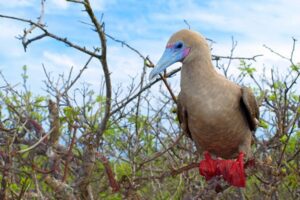
Shift your expedition northwards to Punta Cormorant, renowned for its expansive coastal lagoon teeming with American flamingos, white-cheeked pintails, black-necked stilts, and other shorebirds. This natural haven also features a pristine white sand beach, a crucial nesting ground for green sea turtles, and a newly established breeding ground for blue-footed boobies near the trail. Amidst this vibrant wildlife, also take the opportunity to admire the island's unique flora.
Snorkelling Experience: At Devil's Crown, an eroded little volcano adjacent to Floreana Island, dive into what many consider one of the best snorkelling sites in the entire Galapagos. The Crown's currents funnel plankton, attracting a spectacular congregation of marine life, including snapper, Creole fish, parrot fish, Angelfish, reef sharks, sea turtles, and rays.
Evening – dinner aboard your cruise vessel
This evening…enjoy a Welcome Dinner aboard the Galaxy Sirius
Overnight: Aboard Galaxy Sirius, Galapagos
Buffet breakfast to be served aboard.
Morning – Santa Fe Island
Highlights: Giant cactus, Santa Fe Bay, Galapagos sea lions, Santa Fe land iguanas, Galapagos hawks, Galapagos doves, reef sharks.
Wet landing
Lead in the day with the stark beauty of Santa Fe, where the towering figures of giant Prickly-pear cacti strikingly contrast the rugged landscape of lava rocks. Tucked within one of the Galapagos' most breathtaking bays, Santa Fe's turquoise waters, and white-sand beaches form an inviting residence for a sizable colony of sea lions you'll find lounging about. As you venture inland, remember to look down to spot the endemic Santa Fe land iguanas, but also glance upward to catch sight of the Galapagos hawks perched atop cacti, keeping a keen eye out for prey. You'll likely encounter Darwin finches, Galapagos doves, mockingbirds, and lively lava lizards along the trail.
Snorkelling Experience: After your exploratory hike, the sheltered bay offers you a choice: paddle through serene waters on a kayak or plunge beneath the surface to snorkel with playful sea lion pups and reef sharks. Also, keep an eye out for graceful sea turtles, gliding rays, and the swirling colours of tropical fish, including large schools of Surgeonfish and Parrotfish.
Afternoon – South Plaza Island
Highlights: Galapagos land iguanas, sea lions, tropicbirds, pelicans, boobies, Galapagos shearwaters, and swallow-tailed gulls.
Dry landing
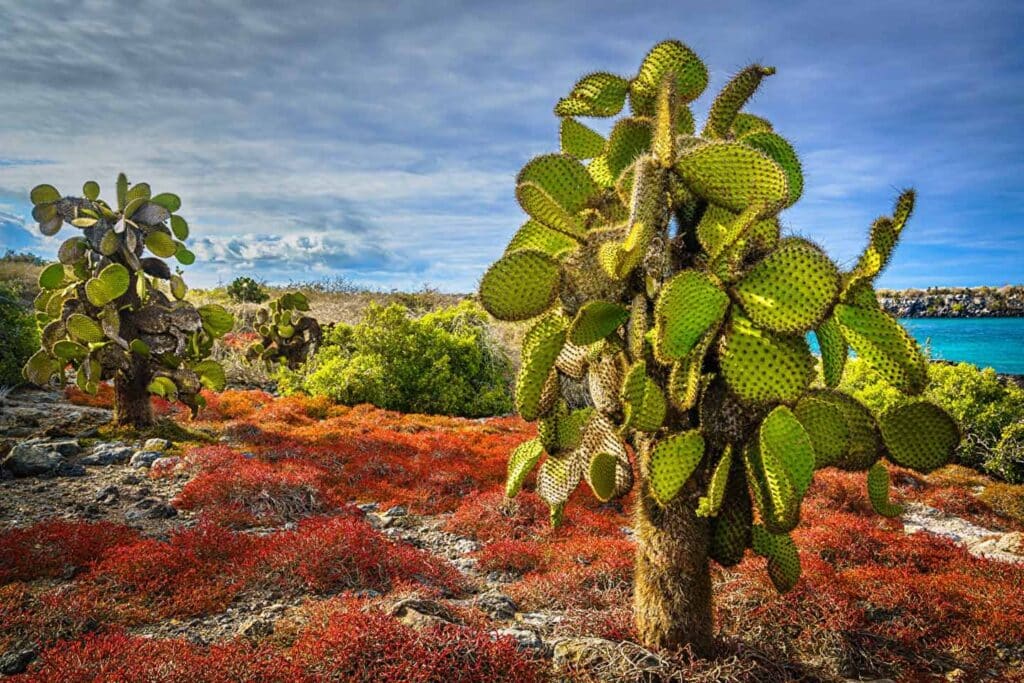
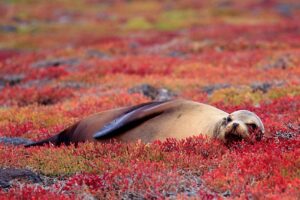
Your afternoon destination is South Plazas, one of a twin pair of islands where the northern sibling is reserved exclusively for scientific research. Though petite in size, this islet brims with a fantastic array of wildlife. Upon landing, Galapagos land iguanas will welcome you from beneath prickly-pear cacti, eagerly awaiting their fruit. Sea lions populate the island in large numbers, allowing you to observe their fascinating social dynamics, from playful pups splashing in tide pools to formidable males protecting their territories. Your trail eventually leads you to a cliff, a vantage point to observe a myriad of seabirds, including frigatebirds, red-billed tropicbirds, boobies, swallow-tailed gulls, and pelicans. A verdant carpet of reddish succulent vegetation dotted with scattered cacti blankets the island, giving South Plazas a genuinely unique personality.
Evening – dinner aboard your cruise vessel
This evening…enjoy a Welcome Dinner aboard the Galaxy Sirius
Overnight: Aboard Galaxy Sirius, Galapagos

Buffet breakfast to be served aboard.
Morning – Charles Darwin Station…Santa Cruz Island
Highlights: Galapagos giant tortoise & land iguanas breeding program, Darwin finches, Galapagos mockingbirds, Galapagos flycatchers, yellow warblers.
Dry landing
Kickstart your day with a profound encounter at the Charles Darwin Station, a dedicated non-profit working together with the Galapagos National Park to safeguard the archipelago's unique biodiversity.
This visit provides insights into the collaborative efforts of these institutions to shield native species and combat the invasive ones threatening the delicate balance of the Galapagos ecosystem. One of their emblematic endeavours includes the captive breeding of giant tortoises, an integral part of the conservation strategy. Amidst the educational venture, enjoy the setting of an outdoor native dry forest adorned with towering cacti and a rich array of fascinating endemic flora. This is an ideal spot to discover various endemic Darwin finches, as well as vivacious flycatchers and melodious mockingbirds.
Afternoon – Departure…
At the completion of your visit, transfer to Baltra Airport for your flight back to the mainland.
Arriving in Quito, meet and greet and short transfer to your hotel.
Overnight: Wyndham Hotel, Quito Airport
Buffet Breakfadsy served at the hotel.
Morning - Departure
This tour ends after breakfast this morning.